

Loading...
The Tribunals decision on Sifuna`s case stirred real public debate ,and, understandably, a fair amount of confusion.
People wanted to know why the Tribunal didn't just settle the dispute outright, or what exactly shaped its position. Those are fair questions. But to make sense of them, you first need to understand how political party disputes actually work under the law particularly the rule that parties must exhaust their own internal resolution The Tribunal's decision to throw out case challenging Edwin Sifuna’s removal as ODM secretary general processes before they can bring a matter to the Tribunal at all.
The Political Parties Disputes Tribunal (PPDT) is an independent body established under Article 169(1)(d) of the Constitution of Kenya, 2010. Its core mandate, as set out in the Political Parties Act, 2011, is to ensure the fair and expeditious resolution of disputes arising from political party activities.
The idea behind the PPDT did not emerge in a vacuum. It can be traced back to the aftermath of the 2007–2008 post-election violence, a period that exposed how unresolved electoral and party disputes can quickly escalate into national crises. In response, the Independent Review Commission, commonly known as the Kriegler Commission, recommended the creation of a specialized mechanism to handle electoral disputes more effectively, particularly at the appellate level. The PPDT is, in many ways, a product of those reforms.
With the promulgation of the 2010 Constitution, political rights were firmly entrenched. Every citizen has the right to make political choices, including forming or joining a political party, participating in its activities, and vying for positions within it. Where these rights are violated, or even threatened, there must be a clear path to redress.
JURISDICTION OF PPDT
Under Section 40(1) of the Political Parties Act, the Political Parties Disputes Tribunal (PPDT) has authority to determine a range of political party disputes, including: (a) disputes between members of a political party; (b) disputes between a member and a political party; (c) disputes between political parties; (d) disputes between an independent candidate and a political party; (e) disputes between coalition partners; (f) appeals from decisions of the Registrar of Political Parties; and (fa) disputes arising out of party nominations.
However, Section 40(2) expressly limits the Tribunal’s jurisdiction by requiring that, except for appeals from the Registrar’s decisions, a party must first exhaust or attempt internal dispute resolution mechanisms (IDRMs) provided in the party’s constitution before the Tribunal can hear or determine the matter. This requirement reflects the constitutional doctrine of exhaustion of remedies, Article 159 that encourages alternative dispute resolution prior to judicial or quasi-judicial involvement. This ensures that internal party systems are given the first opportunity to resolve disputes before external intervention.
Exceptions to this rule include appeals from decisions of the Registrar of Political Parties, which may be lodged without first using IDRMs, and situations where internal mechanisms are unavailable or the party refuses to engage in the process, making it impracticable to exhaust them. A practical example of internal mechanisms failing to satisfy statutory requirements occurred in Khatete v Democratic Action Party‑Kenya & another (Complaint E095 (NRB) of 2022), where the Tribunal struck out a complaint because the complainant failed to demonstrate an attempt to subject the dispute to IDRMs, underscoring the mandatory nature of internal resolution where available.
In terms of timelines, a complaint to the PPDT must be filed within 30 days from the date of the decision complained of for most categories of disputes, including those between members, parties, independent candidates and coalition partners, as well as appeals from the Registrar. Additionally, disputes arising from party primaries have a special rule, they must be filed within 14 days of the internal decision, and at least one day before the deadline set by the Independent Electoral and Boundaries Commission for submitting candidate names. Once a complaint is properly filed, the Tribunal is required to determine the dispute expeditiously and, in any case, within 90 days (three months) from the date of filing, ensuring timely resolution of political contestations.
1. Concept and Purpose of IDRMs
Internal Dispute Resolution Mechanisms (IDRMs) are formal processes established within political parties to resolve disputes among members, between members and the party, or between party organs. The primary purposes of IDRMs are to promoting internal cohesion , efficient dispute resolution and upholding democracy within the party.
IDRMs operate as internal quasi-judicial organs that may include disciplinary committees, mediation panels, or arbitration tribunals, depending on the party constitution. These organs are typically overseen by the National Executive Committee (NEC) or the party’s governing body, but are expected to operate independently to ensure impartiality in dispute resolution.
2. Legal Foundation. Constitution and Political Parties Act
Article 159 of the Constitution
Article 159 of the Constitution of Kenya emphasizes the use of alternative dispute resolution (ADR) mechanisms and encourages disputes to be resolved outside of formal courts where possible, provided the resolution is fair, just, and equitable. It provides the constitutional backing for IDRMs within political parties.
Section 40 of the Political Parties Act (No. 2 of 2022)
Jurisdictional requirement ,Section 40(1) defines the disputes that the Political Parties Disputes Tribunal (PPDT) can hear. These include disputes between members, between a member and a party, between parties, and disputes arising from nominations. Mandatory IDRM use , Section 40(2) stipulates that the Tribunal shall not hear or determine a dispute unless the parties have first attempted or exhausted internal dispute resolution mechanisms.
3. Exceptions to Internal Dispute Resolution Mechanisms (IDRMs)
Although Internal Dispute Resolution Mechanisms (IDRMs) are a mandatory prerequisite under Section 40(2) of the Political Parties Act No. 2 of 2022, the law and practice recognize certain exceptions where a dispute may be brought directly before the Political Parties Disputes Tribunal (PPDT) without first undergoing internal resolution. One such exception arises in appeals from decisions of the Registrar of Political Parties, where parties are permitted to approach the Tribunal directly, as these matters originate outside the internal structures of a political party. Additionally, where internal mechanisms are unavailable or non-functional, such as where a party lacks a properly constituted dispute resolution organ or where the mechanism exists only in theory but is not operational in practice, the requirement to attempt or exhaust IDRMs is effectively waived. Furthermore, an exception exists where a political party refuses or fails to engage in the internal dispute resolution process. In such circumstances, a complainant is only required to demonstrate that a genuine attempt was made to invoke the internal mechanisms, for instance by formally lodging a complaint with the party, but receiving no response or cooperation. These exceptions ensure that the requirement to utilize IDRMs does not become a barrier to justice, particularly in situations where internal processes are ineffective, inaccessible, or deliberately obstructed.
Why attempting IDRMs was introduced in the 2022 Amendment
The shift from requiring disputes to be “heard and determined” internally to requiring evidence of “an attempt to subject the dispute to internal political party dispute resolution mechanisms” was intended to address practical problems that emerged under the old law. Before the amendment, the Tribunal could only assume jurisdiction if complainants had fully exhausted all stages of internal party dispute resolution. In practice, many parties were unable to complete these internal processes because the relevant organs were non‑existent, inoperative, biased, obstructive, or subject to unreasonable delays ,which effectively blocked access to justice in the Tribunal. Judges on the Tribunal and in case law explicitly noted that strict exhaustion “proved a hindrance to access to expeditious justice” when internal mechanisms were dysfunctional or unavailable.
The current wording was introduced to reflect judicial interpretation and reality on the ground, recognizing that parties should not be prevented from bringing meritorious disputes before the Tribunal just because internal systems fail in practice. It therefore lowered the threshold from “complete all internal steps” to “lead evidence of at least attempting to use those mechanisms,” ensuring the Tribunal’s jurisdiction aligns with earlier judicial pronouncements and improves access to justice.
Where IDRMs Fit Within Party Structures
In most parties, IDRMs aren’t part of the main political leadership. They’re set up as separate, specialized bodies to handle disputes more objectively.
You’ll usually find them sitting within a standing disciplinary or dispute resolution committee. Some parties, however, prefer to create independent arbitration panels that report to the NEC or governing council, mainly to strengthen neutrality. And where a dispute is particularly unique, parties may put together a temporary (ad hoc) mediation panel just to deal with that specific issue.
At the end of the day, the structure is intentional, IDRMs are meant to work independently, but still report to the party’s top organ. That’s what gives their decisions both credibility and proper oversight.
How IDRMs Actually Work : Use of ADR Mechanisms
IDRMs lean heavily on alternative dispute resolution. The goal is simple, sort things out internally, quickly, and without unnecessary escalation.
It often starts with negotiation, where the parties try to talk things through and find common ground. If that doesn’t work, mediation comes in, with a neutral person helping guide the conversation. And if the dispute still isn’t resolved, it may move to arbitration, where a committee reviews the matter and makes a binding decision.
Principles of Natural Justice
Even though these are internal party processes, they still have to meet basic standards of fairness.
Everyone involved must be given a fair chance to present their case. The people making the decision must remain impartial and free from conflicts of interest. And importantly, decisions shouldn’t just be made, they should be explained. Clear, reasoned outcomes go a long way in preventing further disputes.
Role of Party Constitutions
Most of the detail is actually set out in party constitutions. They explain how a dispute is filed, whether through a written complaint, specific forms, and within certain timelines. They also outline how the process will run, from notifying parties to holding mediation sessions or formal hearings.
Timelines are usually defined too. In many cases, parties aim to resolve disputes internally within 30 to 60 days to avoid dragging matters out.
When a Dispute Moves to the Tribunal
Of course, not every dispute can be resolved internally. When things stall, whether because one side refuses to engage, the mechanism isn’t available, or the process simply reaches a deadlock, the matter can be escalated to the Political Parties Disputes Tribunal.
There are timelines to keep in mind. Generally, a dispute should be filed within 30 days of the internal decision. Nomination disputes move much faster, often within 14 days. Once the case is before the Tribunal, it’s expected to be concluded within 90 days. This ensures disputes are handled in good time, without interfering with the broader political process.
What Happened in Sifuna’s Case
In early 2026, a major political and legal showdown unfolded within the Orange Democratic Movement (ODM) involving Nairobi Senator Edwin Sifuna, who was serving as the party’s Secretary‑General. His removal by ODM’s National Executive Committee (NEC) on February 11 sparked a dispute that quickly landed at the Political Parties Disputes Tribunal.
Sifuna challenged the NEC’s decision, arguing that his removal was unconstitutional and procedurally flawed. He claimed that the party did not follow its own constitution, for instance, he was not given proper notice, a chance to respond, or an opportunity to be heard before the announcement of his ouster. His lawyers also argued that the party had not properly exhausted its Internal Dispute Resolution Mechanisms (IDMRMs) before approaching the Tribunal.
On March 26, 2026, the Tribunal delivered its ruling. Rather than making a substantive decision on whether Sifuna’s removal was lawful, it dismissed the case on procedural grounds. The Tribunal found it had no jurisdiction because Sifuna had not first gone through the party’s internal dispute resolution processes, a requirement clearly outlined in Section 40(2) of the Political Parties Act. Even strong arguments about procedural unfairness inside the party could not override this step.
The Tribunal also highlighted that ODM’s own constitution includes provisions, such as arbitration and other internal mechanisms, to handle disputes. This countered claims that internal mechanisms were unavailable or ineffective.
While the Tribunal did not rule on the merits of the dispute, it issued a limited injunction preventing ODM from immediately formalizing Sifuna’s removal with the Registrar of Political Parties, pending internal resolution.
In simple terms:
Sifuna’s case was dismissed, not because his complaints lacked merit, but because he had skipped the required internal procedures.
The Tribunal reinforced that IDRMs must be attempted before a dispute can be addressed on its merits.
This outcome clarified the legal process, but it also confused many, as people expected the Tribunal to directly rule on whether Sifuna’s removal followed party rules. Instead, the Tribunal stuck strictly to procedure, underlining the importance of IDRMs as the first step in resolving political party disputes.
The Problem in Practice
In theory, internal dispute resolution mechanisms (IDRMs) are meant to resolve issues within parties before matters reach the Tribunal. In practice, though, these processes often lead to delays and manipulation.
In Sifuna’s case, the Tribunal could not step in directly because the party’s internal procedures had not been fully followed. But these processes can drag on, sometimes intentionally, other times due to party divisions or political maneuvering. Disputes can be passed through multiple rounds of negotiation, mediation, or arbitration, creating unnecessary delays.
This also opens the door for manipulation. Internal mechanisms can be used to favor certain factions, rather than genuinely resolving disputes. As a result, even valid complaints can remain unresolved for long periods, leaving party members frustrated and the public confused.
While IDRMs are intended to strengthen internal cohesion, in reality they can be exploited to delay justice and influence outcomes, making timely and fair resolution a challenge.
Expert opinion: Sifuna, Political Parties, and State Power.
First and foremost, I think it’s peculiar that Edwin Sifuna, a trained lawyer and party Secretary General, bypassed the very processes he’s expected to understand best, A Secretary General is someone expected to understand the inner workings and protocols of a political party. I’m still trying to wrap my head around that because it keeps lingering in my mind.
Since his ouster as Secretary General, Sifuna has maintained significant popularity on the ground. This popularity is evident in the creation of the Linda Mwananchi website, which appears aimed at gauging and consolidating his support base. This is a strategic move, yet I believe it is imperative for Sifuna and his faction to formally register a political party. At this stage, they are recognized as national figures and potential presidential candidates.
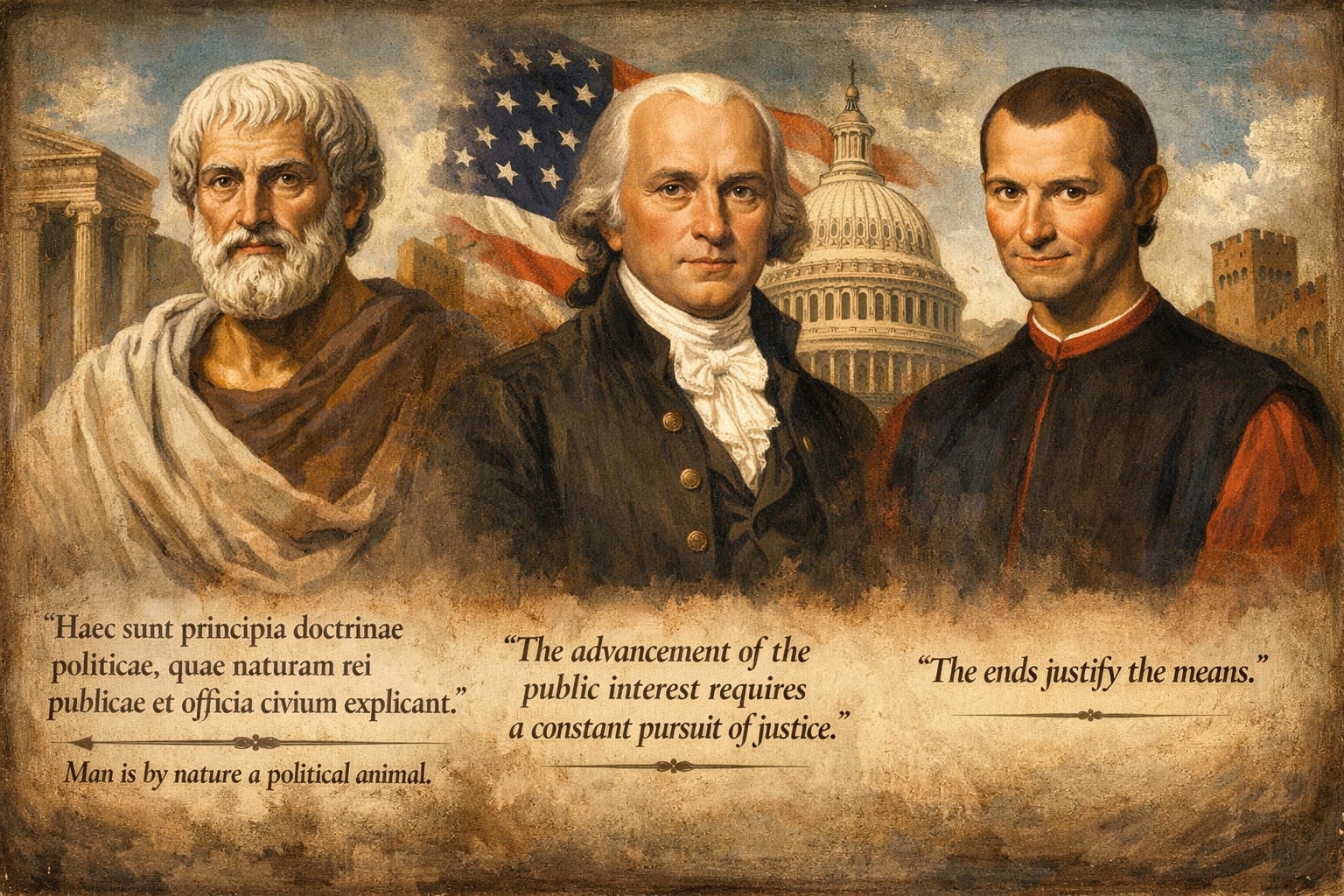
Political parties are not merely symbolic entities, they are engines for capturing and exercising state power. As Aristotle observed in Politics, factions or groups naturally organize to influence governance, seeking to promote their interests and compete for control over state institutions. Modern political parties institutionalize this impulse, creating a structure through which leaders can mobilize supporters, contest elections, and implement policy agendas.
When a political party captures state power, it is not enough to occupy the presidency alone. The party must also hold sway in parliament to effectively govern. Without a ruling party in the legislature, a president’s capacity to enact reforms is severely constrained. In a presidential system of government, such as Kenya’s, the separation of powers makes this dual control essential, a president without a parliamentary majority may struggle to pass laws, allocate resources, or maintain political stability. Niccolò Machiavelli, in his analyses of power, emphasized that organized groups must strategically consolidate influence over state structures to achieve their goals and I believe that the goals of Linda Mwananchi faction is to protect citizens’ rights, promote accountability in governance, and amplify the voice of ordinary Kenyans in public affairs.
One disappointing observation in this faction is the overemphasis on the “one term” narrative. While political branding and messaging are important, dwelling excessively on slogans does little to address the pressing challenges facing Kenyans today. The public’s primary concern is economic empowerment. The Gen Z protests and finance bill demonstrations of 2024 are a clear manifestation of the demand for economic liberation. Sifuna’s faction cannot simply listen to opinions indefinitely, they must translate popularity into concrete policy frameworks that address economic hardships and foster political stability.
Ultimately, political parties are the primary instruments through which leaders can structure support, mobilize resources, and capture state power to implement their vision. As James Madison noted in Federalist No. 10, factions are inevitable in any society, and the organization of these factions into structured parties allows for more effective governance while channeling competing interests in productive ways. For Sifuna and his allies, registering a political party is not merely a procedural step, it is a strategic necessity if they aim to convert popularity into tangible political influence and meaningful reforms.
Comments
Be respectful and constructive in your comments.